How Reliable Are the Hydraulic Systems in Underground LHDs?
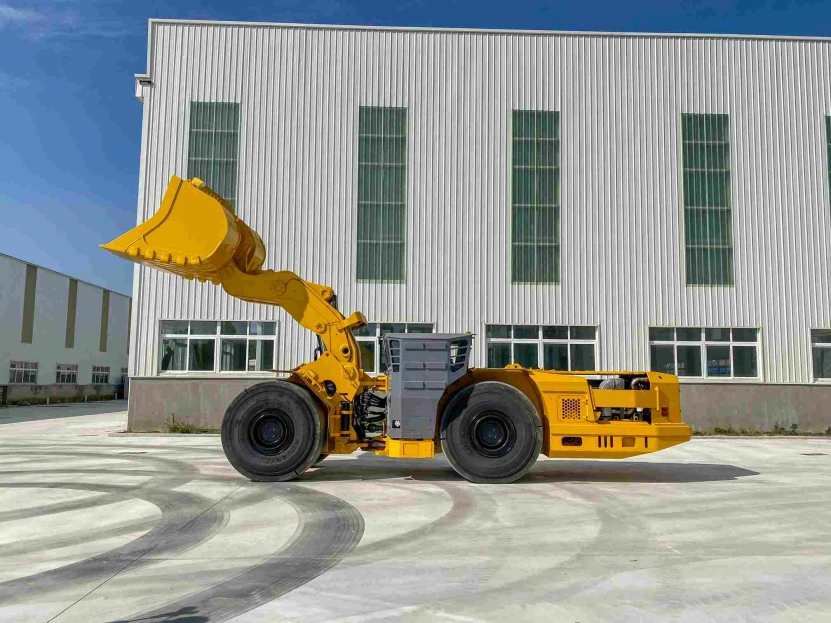
Hydraulic systems form the backbone of underground Load Haul Dump (LHD) machines. Their dependability decides how well and safely these machines work in tough mining spots. In fact, a smartly built and carefully kept hydraulic setup can mean the gap between steady output and expensive stops.
Understanding Hydraulic Systems in Underground LHDs
Importance of Hydraulic Systems in Load Haul Dump Machines
Hydraulics drive nearly every action in an underground LHD. This covers steering and lifting. It also includes braking and dumping. The setup’s quick response affects cycle times. It sits at the heart of efficiency. Take the DLWJ-3 as an example. It is a 7 ton Load-Haul-Dump (LHD) made just for underground jobs. These jobs range from development work to mining and tunneling construction. Its hydraulic design lets the bucket move fast. Raising time stays at ≤6.5 s. Dumping time remains ≤3.7 s. All this boosts output during repeated loading tasks.
Smart hydraulics not only quicken tasks but also cut energy loss. They do this by balancing oil flow among actions like steering and lifting. Such balance lowers heat rise. This matters a lot underground. There, air flow is often limited.
Key Components of Hydraulic Systems
A usual LHD hydraulic system has pumps, motors, valves, cylinders, hoses, and filters. They all team up under strong pressure. For example, the Steering system comes with an electric controlled joystick. Emergency steering is an option. It relies on Parker gear pumps and pilot control valves for exact movement handling. Likewise, the boom system uses Z-link lift cylinders. There are 2 pcs ?140 mm. The dump cylinder is 1 pc ?200 mm. This sturdy cylinder build aids heavy lifting jobs.
Hydraulic hoses need to bend easily. Yet they must resist scrapes from rocks and dirt. Cylinders turn pressed fluid into real force. Valves control flow path and pressure. They make sure motions stay even under big loads.
Factors Influencing the Reliability of Hydraulic Systems
Operating Conditions in Underground Environments
Underground mines put machines through wild wetness, temp swings, and gritty dust bits. These speed up damage on seals and links. The WJ-3 loader runs steadily in temps from -15°C to +45°C. This temp range shows how it aids system steadiness.
Dust buildup can block filters. Or it might harm valve parts if upkeep slips. Water getting in can spoil hydraulic oil quality too. That leads to rust or slow work.
Maintenance and Service Practices
Regular checks are a must for hydraulic lasting power. Look at oil amounts, swap filters, and watch hose strength. This stops tiny leaks from growing into big breakdowns. Many new underground LHDs have alert setups. For instance, there is an Automatic alarm system for oil temperature, oil pressure and electrical system. These let workers spot problems soon. They catch them before things get worse.
Usual problems cover overheating from poor cooling. Or dirty oil making valves stick. Fixes mean good filtering, like with an 8μm LEEMIN filter. Also, stick to set times for oil changes.
Component Quality
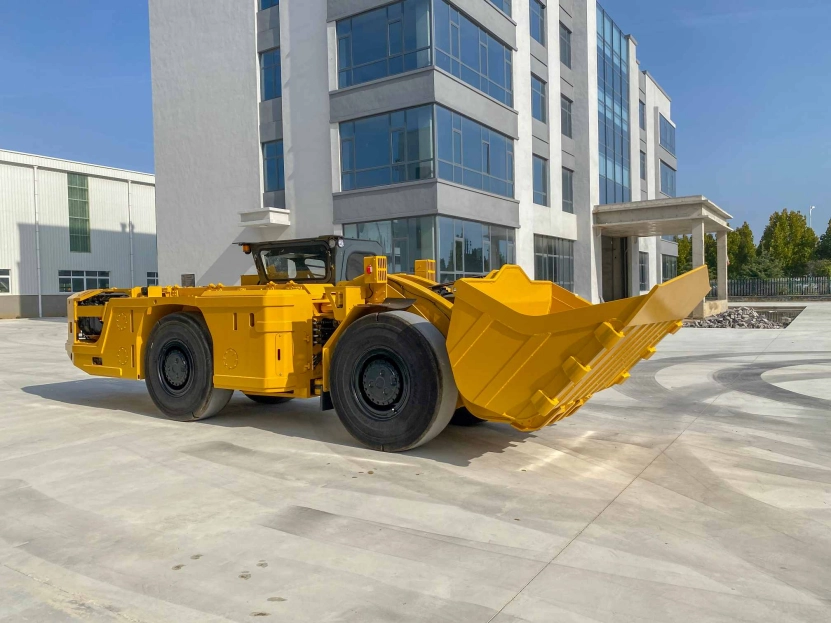
Steadiness begins with picking parts. Branded items like DANA transmissions or PARKER pumps give good fit and toughness under hard use. Cheap parts may cut costs at first. But they often fail early. That brings higher costs from lost time.
System Design
A cleverly planned hydraulic plan cuts pressure drops. It does this with smart hose paths and right-sized pumps. Good reservoirs keep fluid temps steady. They also stop cavitation. That is a top reason for pump harm.
Challenges Encountered by Hydraulic Systems in Underground LHDs
Design Constraints and Space Limitations
Tight builds limit room for big reservoirs or cooling parts. The DLWJ-3’s overall size is 8850 × 2220 × 2270 mm. This tight fit makes upkeep hard to reach. Yet it must still let heat escape well. Builders often fight back with multi-task parts. Or they use easy-to-swap modules that ease fixes.
High Pressure Requirements and Their Implications
Strong-pressure hydraulics let small cylinders make huge pushes. But they raise chances of leaks or hose bursts if not handled right. Here is an example:
| Parameter | Value |
| Maximum breakout force | 131 KN |
| Maximum traction | 170 KN |
Pressure jumps during quick load shifts can stress seals. So systems use relief valves or accumulators. These steady the flow.
Enhancing the Reliability of Hydraulic Systems in Underground LHDs
Selection of High-Quality Components
Picking parts from trusted makers is vital:
-
Use gear pumps with solid volume output.
-
Choose tough steel cylinders.
-
Make sure hoses fit ISO wear rules.
The Hydraulic Joystick(Pilot) control for working & steering with PARKER valve shows how top parts better operator handling. They also cut tiredness on long shifts.
Implementation of Advanced System Designs
New ideas like load-sensing hydraulics tweak pump power to match needs. This cuts energy use and heat make. Linking with electronic joysticks gives smoother work. It works even at slow speeds. That is key when turning in slim tunnels.
Shake-absorbing pads around pumps guard against jolt loads. Without them, fittings might crack. Or links could loosen with time.
Vibration and Shock
Underground ground makes steady shakes. Rubber pads or bendy links isolate key parts. This stops tiny breaks in stiff lines. It boosts safety and run time.
Best Practices for Maintaining Hydraulic Systems in Underground LHDs
Comprehensive Maintenance Programs
Good upkeep needs set plans. They cover daily looks at oil level. Weekly checks hit hose wear. Monthly samples test oil dirt. Train workers to spot early signs, like bucket slowness. They see issues first down there.
Fix teams ought to note each repair. Digital records help spot repeat problems. These tie to certain parts or work spots.
Continuous Improvement Strategies
Watch system work with sensors. This allows fix-before-break upkeep, not after. Data checks show trends, like climbing oil heat before trouble. As tech grows, like smart filters, add them. This keeps steadiness up without big changes.
Our Product Offerings
Qixia Dali Mining Machinery Co., LTD offers several models. They have strong hydraulic systems fit for rough underground spots. The DALI WJ-6 has a VOLVO TAD1351VE engine. It gives 285kw / 2100rpm. It pairs with PARKER(USA) multi way valve hydraulics. This setup brings strong but exact work for heavy mining jobs.
FAQs
Q: What causes most hydraulic failures in underground LHDs?
Contaminated oil, worn seals, or improper pressure settings are leading causes of failure.
Q: How often should hydraulic filters be replaced?
Typically after every 500 operating hours or sooner if contamination indicators trigger alarms.
Q: Are synthetic oils better for underground conditions?
Yes, they offer improved temperature stability and oxidation resistance compared to mineral oils.
Q: Can vibrations damage hydraulic pumps?
Prolonged vibration can loosen fittings or cause internal wear; vibration dampers help mitigate this risk.
Q: What’s the best way to extend hydraulic component life?
Use high-quality parts, maintain clean oil systems, monitor pressure levels regularly, and follow scheduled servicing routines diligently.
About Us
Qixia Dali Mining Machinery Co., Ltd was established in 1998, located in Yantai City.
The company is mainly engaged in the design, development, production, installation and training of underground mine equipment and ore processing equipment, spare parts supply and sales.
More目-4000tpd鉛鋅礦EPC-1-150x150.jpg "Zinc & Lead Processing Project in Kalimantan, Indonesia")
柲稠?xiàng)目-1000tpd金礦EPC2-150x150.jpg "1000tpd Gold Mine Project in Mongolia")
目-1000tpd銅礦EPC-1-150x150.jpg "Copper Processing Project in Sinkiang")
目-3000tpd石墨礦EPC-150x150.jpg "Graphite Processing Project in Jimo City")
目-500tpd金礦EPC-150x150.jpg "Gold CIP Project in Zambia")
Contact Us
- Xinbang Rd, Private Economy Park, Qixia, Shandong Province, China
- +86 173 5350 8179
- ytdali@ytdali.com
 +86 13553073459
+86 13553073459
+86 13553073459


