How Does Underground LHD Perform in Hot Mine Environments?
Underground mining loaders (LHDs) face one of the toughest challenges in high-temperature mines—maintaining steady performance while protecting both the machine and its operator. In hot mine environments, the mix of tight spaces, poor airflow, and heat from rock walls can push equipment to its limits. Still, modern LHD mining equipment comes with smart cooling setups, tough materials, and comfy cabins. These let them work well even under strong heat pressure.
Heat-Resistant Design and Cooling Systems
The design of underground mining vehicles must focus on strength against heat. High temperatures can weaken metal and harm key parts if not handled right.
Key Features of Heat-Resistant Design
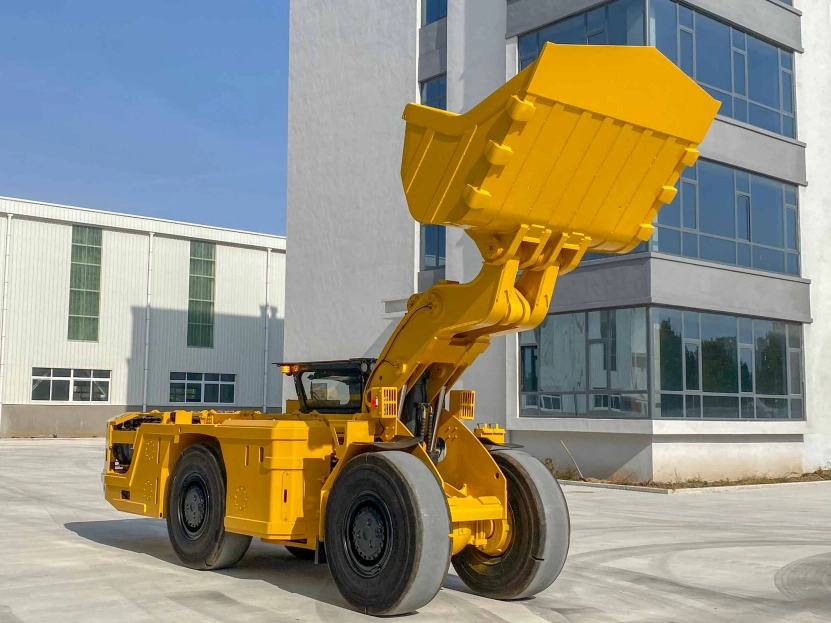
Manufacturers pick strong steel mixes and blended materials that hold up to long heat exposure. These materials fight bending and stop heat wear over time. Insulation helps a lot to keep equipment safe—it holds heat away from inside parts. It also stops heat from spreading to the operator’s cabin or engine area. In deep mines where rock heat goes over 40°C, insulation around hydraulic lines and electronic parts keeps things steady. DALI’s underground mining loaders, such as the Diesel LHD WJ-3, are engineered with high – quality materials that can withstand extreme temperatures. The outer casing of the machine is made from heat – tolerant metals that prevent heat absorption and subsequent damage to internal components.
Cooling System Technologies
Before we look at performance numbers, it’s key to grasp how cooling systems fight heat in underground LHDs. Different cooling ways fit various mine setups:
| Cooling System Type | Description | Typical Application |
| Air Cooling | Uses fans and ducts to circulate air across engine parts | Moderate temperature zones |
| Liquid Cooling | Employs coolant fluids through radiators and pumps | High-temperature mines |
| Hybrid Cooling | Combines air and liquid systems for maximum efficiency | Deep or geothermal mines |
Good cooling systems boost performance right away. They stop shutdowns from too much heat. Plus, they keep oil at the right thickness, cut down on part wear, and lengthen service times—and that’s vital for nonstop work in warm spots.
Engine Performance in High Temperatures
The engine is the core of any underground mining loader, but it’s also the part most at risk from too much heat.
Impact of Heat on Engine Efficiency
High air temperatures can cut combustion power, which means more fuel use and less power. As air gets thinner with more heat, engines get less oxygen each pull, which hurts torque. To fight this, some LHD mining equipment adds turbochargers set for hot conditions. They also use fuel maps that change injection timing on the fly.
Enhancements for Heat Management
To keep things running smooth, special oils with good heat hold are used. They lower friction even when oil gets hotter than usual. Coolants with additives that stop boiling help keep engine temps steady. Engineers tweak air paths too—bigger openings, moved radiators, and better fan speeds. This maxes out heat loss without using extra power.
Operator Comfort and Safety
While machine toughness matters, operator stamina counts just as much in hot mines where cabin heat can climb fast.
Cabin Design for Extreme Conditions
Modern underground mining vehicles have closed cabins with strong air conditioners. These units clean dust and keep inside temps nice. Glass that bounces back heat cuts down on warmth from rock sides. Seats built for comfort with airy fabrics help avoid tiredness on long shifts—and that’s a small touch that boosts safety by cutting errors from unease.
Safety Protocols in Hot Mines
Operators in tough heat follow firm safety steps: drink plans, breaks in cool areas, and must-wear heat gear. Training stresses spotting early heat signs like dizziness or dry mouth. This way, workers can step in before big problems hit.
Dust and Debris Management
Hot mines often bring another issue—lots of dust from dry rock breaking.
Challenges Posed by Dust and Debris in Hot Mines
Dust buildup hits both machine work and worker health. Tiny bits can block filters, limit air to engines, and wear out moving parts too soon. For operators, breathing in silica dust raises lung risks as time goes on.
Strategies for Effective Management
To handle these risks:
-
Dust suppression systems spray fine water mist near loading points.
-
Multi-stage air filters trap particles before they enter critical components.
-
Regular cleaning routines remove debris buildup around radiators and intakes to maintain airflow efficiency.
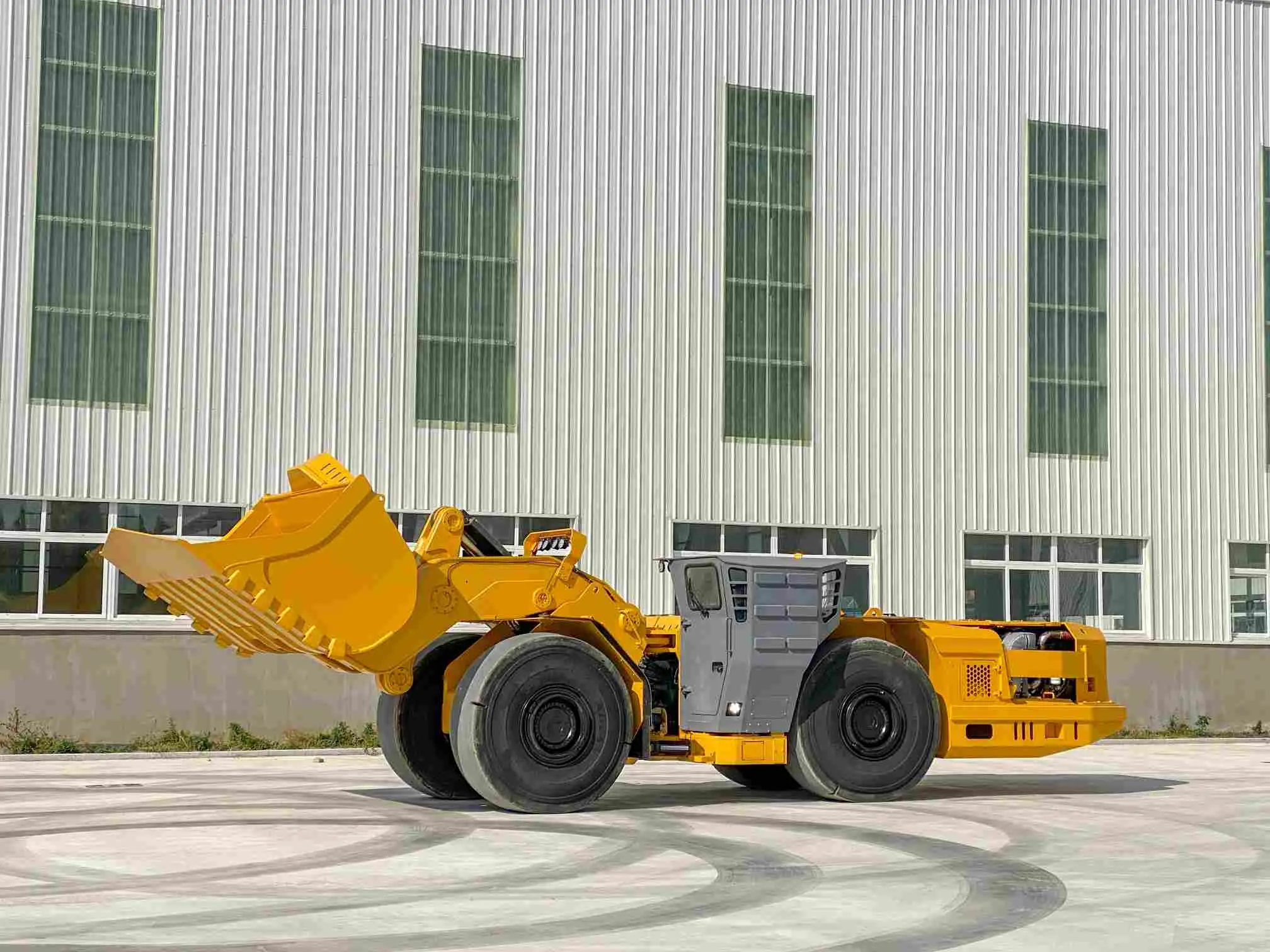
These steps keep the loader’s systems and operators safe in rough settings. For instance, the Diesel LHD WJ-6 has a highly efficient dust management system that allows it to operate effectively in dusty, hot mines.
Maintenance Considerations for Hot Environments
Heat speeds up wear; so upkeep plans need to adjust.
Routine Maintenance Practices
Often checks spot early heat damage—like changed color hoses or coolant drips—before big breaks happen. Parts like hydraulic pumps, belts, seals, and wire links need extra care. They break down faster under heat push.
Long-Term Maintenance Strategies
Teams set service times around hot seasons to cut downtime chances. Buying tough parts made for heat work saves on swaps and builds better trust over years.
Adaptability and Customization Options
No two mines have the same setup; so flexibility is a big plus for modern underground mining loaders.
Customization for Specific Mine Conditions
Manufacturers give custom setups—from stronger cooling kits to different air flows—to fit each mine’s heat setup. Modular builds let teams swap or upgrade parts as needs change, without buying a whole new machine.
Innovations Enhancing Performance
New ideas include sensors that watch engine heat live and tweak cooling based on work load. In the future, electric drives with cooled battery packs could steady work in heat better. They’d also cut pollution—a key goal in the field.
DALI stands out as a professional manufacturer specializing in underground mining trucks, LHD loaders, and multi-purpose vehicles built for demanding environments. Their engineering approach emphasizes reliability under extreme conditions through optimized cooling architecture and ergonomic design solutions that prioritize both machine endurance and operator well-being. For mining companies seeking dependable underground mining loaders capable of thriving in high-temperature operations, DALI provides customized solutions that combine innovation with proven field performance.
FAQs
Q: What makes an underground LHD suitable for hot mine environments?
Its combination of heat-resistant materials, efficient cooling systems, and insulated cabin design ensures stable operation under high thermal loads.
Q: How does heat affect LHD engine performance?
Excessive heat reduces air density and combustion efficiency but can be mitigated using advanced coolants and optimized airflow designs.
Q: Why is operator comfort important in hot mines?
Comfortable cabin conditions help prevent fatigue-related errors and ensure sustained productivity during long shifts underground.
Q: How do dust suppression systems work?
They spray fine water mist or use filtration units to capture airborne particles before they reach critical machinery parts or operators’ breathing zones.
About Us
Qixia Dali Mining Machinery Co., Ltd was established in 1998, located in Yantai City.
The company is mainly engaged in the design, development, production, installation and training of underground mine equipment and ore processing equipment, spare parts supply and sales.
More目-4000tpd鉛鋅礦EPC-1-150x150.jpg "Zinc & Lead Processing Project in Kalimantan, Indonesia")
柲稠?xiàng)目-1000tpd金礦EPC2-150x150.jpg "1000tpd Gold Mine Project in Mongolia")
目-1000tpd銅礦EPC-1-150x150.jpg "Copper Processing Project in Sinkiang")
目-3000tpd石墨礦EPC-150x150.jpg "Graphite Processing Project in Jimo City")
目-500tpd金礦EPC-150x150.jpg "Gold CIP Project in Zambia")
Contact Us
- Xinbang Rd, Private Economy Park, Qixia, Shandong Province, China
- +86 173 5350 8179
- ytdali@ytdali.com
 +86 13553073459
+86 13553073459
+86 13553073459


