Choosing the Right LHD Machine: A Guide for Underground Mining Professionals
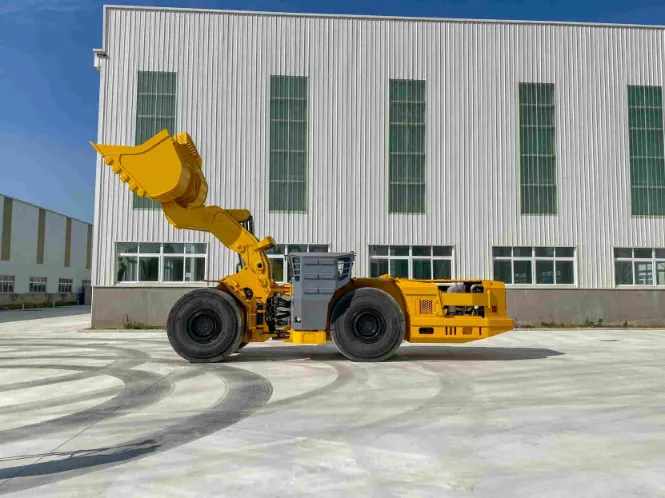
Key Classifications of LHD Machines
Classification by Power Source
LHD machines fall into main groups based on their power source. These include electric types and diesel types. Electric-powered LHDs cut down on emissions. They also lower noise during work. This makes them a good pick for jobs with tight rules on air flow or the environment. Such machines work well in mines. There, keeping air clean and temperatures steady matters most.
Diesel-powered models still lead the way. They offer more freedom and toughness. The DALI WJ-6 has a strong diesel engine. It is the VOLVO TAD1351VE rated at 285kW. This setup gives great pulling power and output. It holds up even in deep underground mining spots. These machines fit best in far-off or big-scale tasks. They need fast moving speeds and less setup support.
Classification by Bucket Capacity
Bucket size affects how well loader gear works and where it fits. It also impacts speed. Small bucket LHDs, like the DALI WJ-2 with a 2m3 bucket and 4000kg payload, suit narrow vein mining. In those areas, easy turning is key. These units have a tight build. It matches small tunnel sizes.
Larger bucket machines, such as the WJ-4 with a 4.5m3 bucket and 10-ton payload, speed up work rounds. They boost output in wider tunnel jobs.
Core Components and Transmission Systems
The Working Principle and Operational Process
The basic work cycle of an LHD includes scooping stuff from the face. Then it hauls through tunnels. Finally, it drops the load at set spots. This scoop-haul-dump way works best in tight underground spots. Hydraulic setups help a lot. They manage lift arms, turning joints, and bucket drops. This allows exact control in small areas.
Transmission System Origin and Development
Transmission setups in LHD machines started with simple gear boxes. Over time, they grew into better hydraulic and electro-hydraulic options. This change improved smooth running. It also cut down on fix-up times. The WJ-4 uses a DANA R36425-10 electronic shift transmission. It has a shift buffering function. This helps gear switches under weight.
Underground LHD Machine Transmission Scheme
New designs use torque converters with auto transmissions. They make gear shifts easy. Load-sensing hydraulics save energy too. They change flow to match what the job needs. In DALI’s machines, hydraulic oil goes to the work system only when not turning. This cuts waste. It makes the machine use less power overall.
Role of Torque Converters in Performance
Torque converters matter for easy power shift from engine to drive parts. The WJ-6 has a DANA C9602 torque converter. It lets the machine climb steep slopes up to 25%. Plus, it lowers strain during tough work rounds.
Function of the Gearbox in Load Control
Gearboxes adjust speed and pull based on the load. Many speed options let workers handle flat paths or steep rises. They keep good grip. For example, WJ-4 gives four forward and four reverse gears. Speeds go from 0–24.5km/h. This helps in different underground ground types.
Importance of Drive Shaft and Transmission Shaft Integration
Drive shafts move turning power from the engine to wheels or axles. Transmission shafts keep gear parts in sync. Good linking of them is vital. It keeps steady pull flow. This is true especially during full load trips over rough ground.
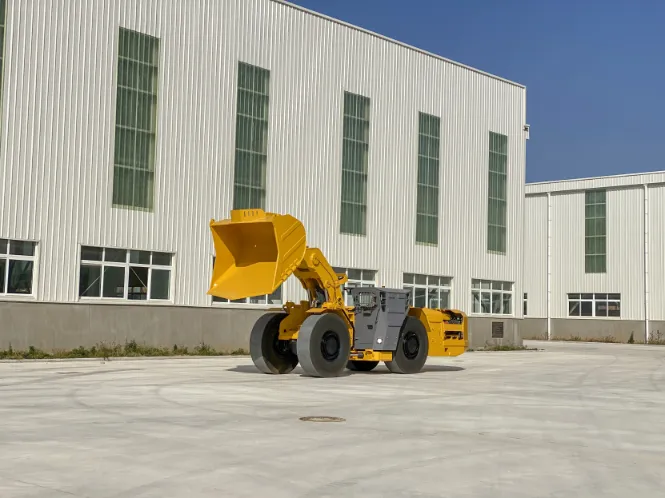
Pre-operation Protocols for Safe Performance
Visual Inspection Before Operation
Before starting up, workers must check tires for cuts or low air. They should look at hydraulic hoses for drips. Lights need to work right. Structural parts must seem solid. Clear any blocks around the machine at once. This stops work dangers.
Fluid Level Verification Procedures
Check all fluid tanks before starting. This includes coolant, engine oil, brake fluid, and hydraulic oil. The WJ-6 has a meter oil level indicator. It allows quick sight checks of hydraulic oil in its 400L tank.
Electrical System Functionality Check
Test battery power, LED lights, dashboard signs, reverse horn, and alert sounds. Bad wiring can cause big safety issues underground.
Starting Procedures and Warm-up Routines
Standard Startup Sequence for Operators
Workers should set the parking brake first. After pre-checks, turn the key to start. Watch the dashboard for error lights. Check systems like emergency steering pumps too.
Importance of Machine Warm-up Before Load Handling
Let the engine and hydraulic fluids warm to the right heat. This avoids heat strain. Slow warm-up helps parts last longer. It matters most in cold work spots.
Loading Operations in Underground Conditions
Approaching Material Piles Safely and Efficiently
Move the loader to piles at a small angle. This cuts tire slip. Good lining up means fewer fixes. That saves fuel and tire life.
Scooping Material with Precision Control
Use even lift-arm moves when going into the pile area. Do not load too much. It stops spills and extra push on lift parts.
Hauling Practices in Confined Mining Tunnels
Navigating Underground Environments with Stability
Keep a low weight center when turning sharp bends or going down slopes. Gear like WJ-2 with articulated hydraulic steering gives ±8° axle oscillation. It adds better steady hold.
Monitoring Load Balance During Transit
Watch loads in real time. This spots shifts or uneven weight. Many new LHDs have built-in alerts. They warn of bad load setups.
Effective Dumping Techniques at Discharge Points
Positioning the Loader Correctly Before Dumping
Use sight marks or digital guides to line up with drop spots. This shortens work rounds. It stops spills in wrong places.
Executing Dumping Actions Smoothly
Raise the bucket slowly. Back up a bit too. This empties all material. It leaves no bits stuck in the bucket.
Post-operation Maintenance Steps
Engine Shutdown Protocols After Work Cycles
Let the machine idle a few minutes after work. This evens out inside heat. Then shut it down fully.
Final Inspection After Operation Completion
Workers should check fluids again. Look at parts that wear fast, like brake discs or hydraulic links. Clean junk from moving spots.
Safety Considerations Throughout Operation Cycles
Operator Awareness of Hazard Zones
Watch out extra at blind turns, tunnel joins, or shared areas. Use cameras and horn sounds often.
Emergency Stop Procedures and Fail-safes
Know where emergency stop buttons are. Learn to override key systems by hand if needed. DALI LHDs come with an emergency stop button. They also have emergency electric pump release and main power lockout switch as basics.
Integrating Reliable Equipment Providers into Operations
Dali offers full engineering help. This includes setup design, worker training, and after-work care for underground mining. They can tweak gear too. Options like remote control or fire stop systems help in hard spots.
Strategic Equipment Selection for Project Demands
Matching Machine Specifications with Site Requirements
When picking loader gear, think about tunnel width, rock weight, haul length, slope steepness, and air flow. For tight paths, small units like WJ-2 work best. Big areas gain from strong models like WJ-6.
Evaluating Lifecycle Costs Beyond Initial Purchase
Upfront cost is only part of it. Think about fuel savings, part access, fix schedules, and nearby help. This shows full own-cost over years.
Teaming with experts like Dali goes beyond buying gear. It builds a strong link. This aids mining aims at every step.
FAQ
Q: What is an LHD machine used for in underground mining?
An LHD machine is used to load, haul, and dump ore or rock efficiently in confined underground mining environments.
Q: Electric vs diesel LHD machines: which is better for underground mines?
Electric LHDs reduce emissions and noise, while diesel LHDs offer higher power and flexibility for deep or large-scale mining.
Q: How does bucket capacity affect LHD performance?
Smaller buckets suit narrow tunnels and tight turns, while larger buckets increase productivity in wide underground drifts.
Q: Why is the transmission system important in an LHD loader?
Advanced transmissions and torque converters improve traction, smooth shifting, and efficiency on slopes and heavy loads.
Q: What factors should be considered when selecting an underground LHD machine?
Key factors include tunnel size, haul distance, payload needs, ventilation limits, slope conditions, and total lifecycle cost.
About Us
Qixia Dali Mining Machinery Co., Ltd was established in 1998, located in Yantai City.
The company is mainly engaged in the design, development, production, installation and training of underground mine equipment and ore processing equipment, spare parts supply and sales.
More目-4000tpd鉛鋅礦EPC-1-150x150.jpg "Zinc & Lead Processing Project in Kalimantan, Indonesia")
柲稠?xiàng)目-1000tpd金礦EPC2-150x150.jpg "1000tpd Gold Mine Project in Mongolia")
目-1000tpd銅礦EPC-1-150x150.jpg "Copper Processing Project in Sinkiang")
目-3000tpd石墨礦EPC-150x150.jpg "Graphite Processing Project in Jimo City")
目-500tpd金礦EPC-150x150.jpg "Gold CIP Project in Zambia")
Contact Us
- Xinbang Rd, Private Economy Park, Qixia, Shandong Province, China
- +86 173 5350 8179
- ytdali@ytdali.com
 +86 13553073459
+86 13553073459
+86 13553073459


