Can Underground Loaders Be Used in Limestone Mines
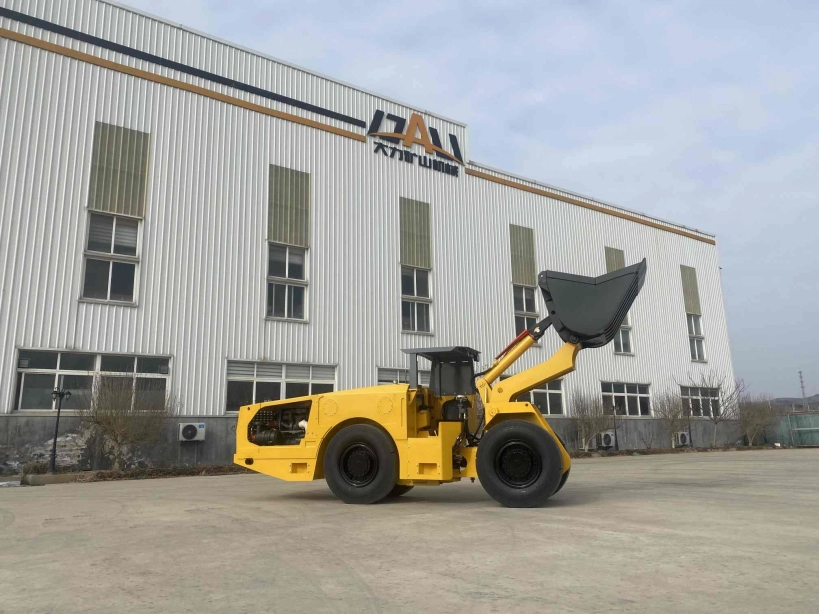
Can underground loaders be used in limestone mines? The answer is yes—they’re not only suitable but often essential for efficient, safe, and continuous operations in underground limestone mining. These machines are built to deal with the special problems of tight spaces and heavy rock loads common in limestone extraction areas.
Understanding Limestone Mines
Limestone mines play a key role in the world mining industry. Before looking at how underground loaders fit in, it’s good to know what sets limestone rock apart. Also, it helps to learn how it’s usually mined.
Characteristics of Limestone Rock
Limestone rock mainly consists of calcium carbonate (CaCO?). It forms from the buildup of sea creature remains over millions of years. This sedimentary rock is fairly soft when compared to igneous rocks. So, it’s simpler to cut and process. People use it a lot in building materials, cement making, steel production, and even for things like water cleaning.
Due to its plentiful supply and many uses, limestone mining helps many industries. In certain areas, it also acts as a base for making quicklime and hydrated lime. These are main parts in chemical work.
Mining Techniques for Limestone
Workers extract limestone rock with both surface and underground mining methods. Surface quarrying happens often when deposits sit close to the earth’s surface. However, when top-quality deposits rest deep underground, or when keeping surface land matters, underground mining works better.
The decision between surface and underground mining relies on things like:
-
Depth and geometry of the deposit
-
Economic feasibility
-
Environmental impact
-
Safety considerations
In underground limestone mines, room-and-pillar methods get used a lot. They create big rooms held up by pillars of untouched rock. This keeps things stable. It also lets machines like loaders get in easily.
Benefits of Using Underground Loaders in Limestone Mines
As mining jobs go deeper or get trickier, good material moving turns vital. Underground loaders, or Load-Haul-Dump machines as some call them or LHDs, offer real perks. These make them a must-have in today’s limestone pulling.
Efficiency in Material Handling
Underground loaders are made for quick loading and pulling of broken rock from the work face to ore passes or haul trucks. Their strong breakout force and bucket size let them shift big amounts of limestone rock fast.
This quick pace leads to better output. There’s less wait time between blasts. So, ore comes out more steadily. Workers can make several runs per shift, even in hard spots. That boosts the mine’s money side.
Maneuverability in Confined Spaces
Limestone mines tend to have slim tunnels with sharp bends. Underground loaders have small bodies, jointed steering, and low heights. These let them move easily through these tight spots.
Their build helps them get to hard-to-reach places. Bigger gear would have trouble there. This easy turning not only speeds up work but also cuts harm to tunnel sides. It’s a little thing, but it saves on fix-up costs in the long run.
Versatility Across Mining Conditions
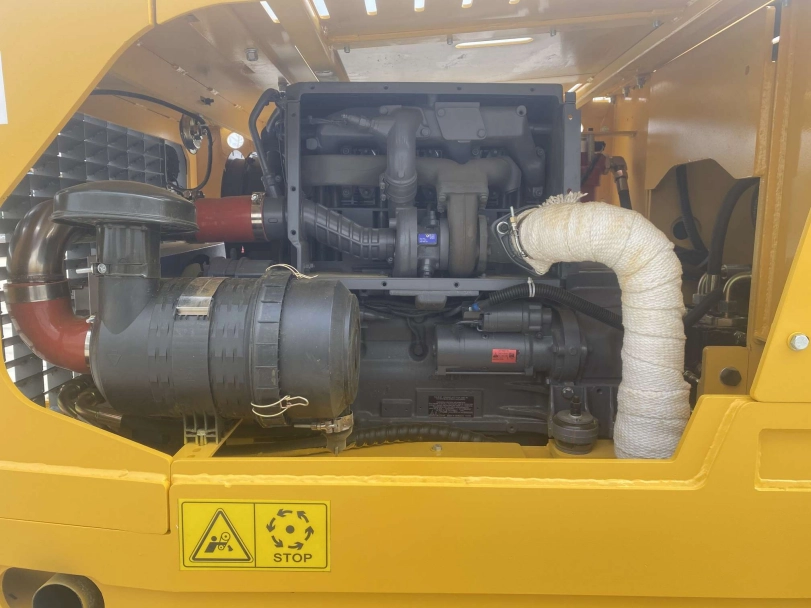
A big plus of underground loaders is how well they adjust. They manage different rock pieces, from tiny crushed bits to big lumps. They work fine on bumpy floors often seen in limestone mines. New LHDs have tough drive systems and grip controls. These keep them going strong in wet or dusty spots inside the mine.
Enhancing Safety Standards
Safety stays number one in any mine setting. Now, underground loaders include smart safety parts. Think enclosed cabins that meet ROPS/FOPS rules, quick-stop systems, fire blockers, and better sight from LED lights.
By taking over hand-done tasks for moving stuff, these machines cut worker time near dangers. Things like rocks falling or breathing dust get less risky. It’s a solid way to make underground spots safer.
Popular Loader Models for Limestone Mines
Moving from broad perks to real examples shows how some loader types do great in limestone mining setups.
WJ-1 Underground Diesel LHD
The WJ-1 Underground Diesel LHD is a small but strong loader. It fits well for small-to-medium limestone jobs. Its diesel engine gives good pull while saving fuel. With a bucket capacity of 1 cubic meter and an articulated frame design, it enables flexible steering even in narrow passages.
Users like its simple fix-up design. Engine parts open up without much taking apart. Its solid hydraulic setup keeps things running smooth over long work times. People in the field say it holds up against rough limestone dust. It also stays steady for many hours on the job.
| Specification | Detail |
| Engine Type | Deutz BF4L2011 |
| Bucket Capacity | 1 m3 |
| Rated Power | 47.5 kW |
| Transmission | Hydrostatic |
| Application | Small-to-medium scale limestone mines |
Other Notable Models Used in Mining Operations
Though the WJ-1 works for lots of limestone needs, other types made for gold or copper mines can do okay too. It depends on the site. Bigger LHDs with more load space might get picked when pull distances grow or goals go up.
When picking a loader type, workers should check:
-
Tunnel dimensions
-
Ventilation capacity
-
Ore density
-
Maintenance support availability
Fitting the machine size to the mine plan makes sure of top work without hurting safety or spending too much.
Challenges and Considerations When Using Underground Loaders
With all their good points, underground loaders bring some work hurdles. These need smart handling.
Managing Dust and Air Quality
Limestone dust is tiny and spreads fast. It can blur views quick and harm machine work plus worker health if not handled right. Good ways to fight dust include water sprays at load spots and covering loose ground on pull paths.
Air flow setups matter just as much. They push fresh air through tunnels. This thins out smoke from diesel engines. It keeps air good to breathe all shift long.
Maintenance Requirements and Costs
Underground loaders run in tough spots: gritty dust, changing wet levels, steady shakes. All this wears down parts. Steady fix-up care is key to keep them at good levels.
Normal checks cover oil times, filter swaps, hydraulic looks, and brake tests. Sure, this means steady money for mine bosses. But skipping it often causes big breaks that stop all work. That costs way more than planned care money.
Conclusion
Underground loaders have shown they’re key tools for good limestone pulling. They mix speed, safety, flexibility, and toughness in hard ground setups. Picking the best type relies on each mine’s shape and aims. But using solid gear changes things from even flow to pricey waits.
DALI stands out as a professional manufacturer specializing in underground mining equipment including trucks, LHD loaders, and multi-purpose vehicles tailored for operations like limestone mining. Their engineering expertise ensures dependable performance where reliability matters most—deep beneath the surface where precision meets pressure every day.
FAQs
Q: What makes limestone suitable for underground mining?
Its widespread occurrence at various depths allows economical extraction using room-and-pillar methods without excessive surface disturbance.
Q: Why are diesel-powered loaders preferred in some mines?
Diesel engines offer high torque output suitable for heavy hauling tasks where electric infrastructure isn’t feasible yet.
Q: How do operators control dust inside limestone tunnels?
They use water spraying systems combined with efficient ventilation networks to reduce airborne particles effectively.
Q: How often should an underground loader undergo maintenance?
Typically after every few hundred operating hours depending on usage intensity; regular inspections prevent unexpected downtime.
About Us
Qixia Dali Mining Machinery Co., Ltd was established in 1998, located in Yantai City.
The company is mainly engaged in the design, development, production, installation and training of underground mine equipment and ore processing equipment, spare parts supply and sales.
More目-4000tpd鉛鋅礦EPC-1-150x150.jpg "Zinc & Lead Processing Project in Kalimantan, Indonesia")
柲稠?xiàng)目-1000tpd金礦EPC2-150x150.jpg "1000tpd Gold Mine Project in Mongolia")
目-1000tpd銅礦EPC-1-150x150.jpg "Copper Processing Project in Sinkiang")
目-3000tpd石墨礦EPC-150x150.jpg "Graphite Processing Project in Jimo City")
目-500tpd金礦EPC-150x150.jpg "Gold CIP Project in Zambia")
Contact Us
- Xinbang Rd, Private Economy Park, Qixia, Shandong Province, China
- +86 173 5350 8179
- ytdali@ytdali.com
 +86 13553073459
+86 13553073459
+86 13553073459


